Makita XTR01Z Compact Router Review Brushless Motor Power and Precision Tested
Makita XTR01Z Compact Router Review Brushless Motor Power and Precision Tested
- Brushless motor technology enables faster, smoother, and more precise cuts across different materials.
- The variable speed control dial allows fine-tuning between 10,000 and 30,000 RPM, adapting perfectly to each task.
- Electronic speed control ensures consistent performance by maintaining constant speed even under heavy load.
- Safety is enhanced with a separate lock button combined with the on/off switch to avoid accidental startups.
As an Amazon Associate I earn from qualifying purchases.
Description
Highlights of the Makita XTR01Z 18V LXT Lithium-Ion Brushless Cordless Compact Router
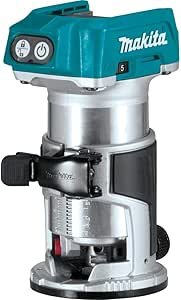
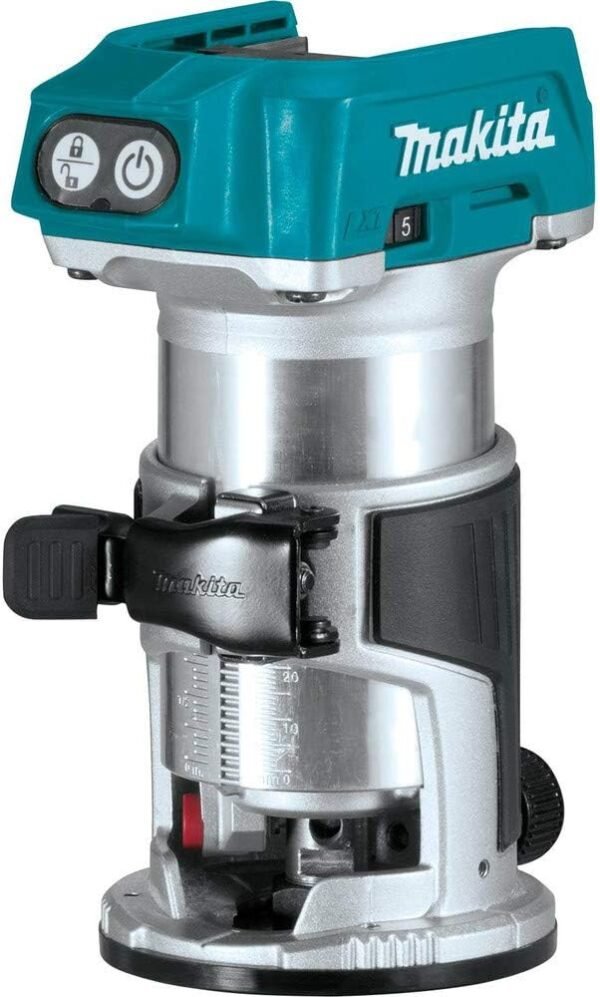
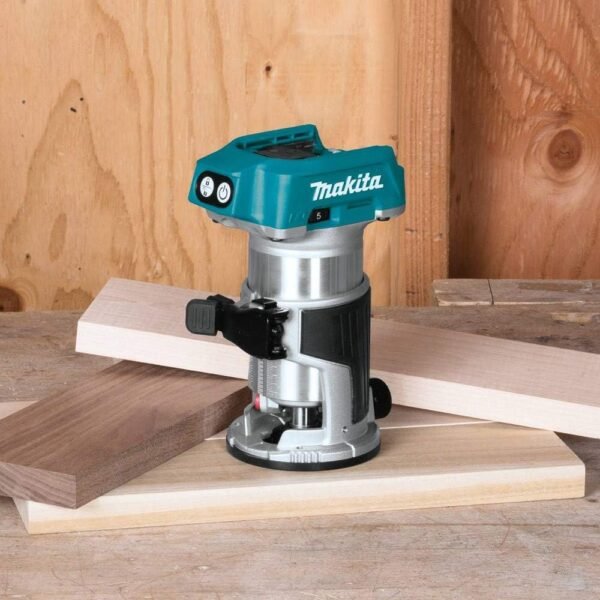
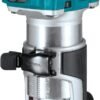
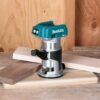
Testing the Makita XTR01Z 18V LXT Lithium-Ion Brushless Cordless Compact Router revealed several standout features that make it a solid choice for woodworking enthusiasts and professionals alike. The brushless motor technology is a real game-changer. It delivers faster and more accurate cuts across a variety of materials, from hardwood to softwood and even some plastics. The motor’s efficiency impressed me because it adapts its torque and RPM automatically, allowing for consistent performance even during tougher cutting jobs.
One of the most useful aspects is the variable speed control dial that ranges from 10,000 to 30,000 RPM. This feature lets me fine-tune the speed depending on the material and task at hand, which is crucial for precision work. Whether I’m trimming edges or routing intricate patterns, the router holds up well, maintaining a constant speed under load thanks to the electronic speed control.
Drawbacks to Consider
Despite its many strengths, this compact router isn’t without its flaws. The battery life, while decent, can be a limiting factor if you’re tackling larger projects without backup batteries. I noticed the runtime can dip significantly when pushing the tool through hardwood. Also, the on/off button with a separate lock button, designed to prevent accidental startups, sometimes feels a little fiddly to operate quickly. This safety feature is important, but in tight working conditions, it slowed me down more than I expected.
Another drawback is the weight and balance of the tool. While it’s marketed as compact, the router can feel a bit front-heavy during extended use, leading to some fatigue in my hands. People with smaller hands might find the grip less ergonomic over long sessions.
Benefits of Brushless Motor Technology
The brushless motor is not just a fancy upgrade; it significantly improves efficiency and longevity. Because it electronically controls the motor speed and torque, the router can adapt to different workloads without overheating. I put this to the test by routing through thick oak and softer pine, and the performance remained steady without bogging down. This adaptability also means less wear and tear on the battery, which is a welcome advantage.
Another benefit I appreciated was the low maintenance aspect. Since brushless motors don’t have brushes that wear out, I didn’t have to worry about frequent repairs or replacements. This makes it a practical investment for anyone who values durability.
Price Worthiness and Value Proposition
In terms of value for money, this router sits comfortably in the mid-to-high price range, but it justifies the cost with its robust build and advanced features. Compared to cheaper corded routers, this cordless model offers greater flexibility and convenience. The energy-efficient brushless motor and variable speed control add to its overall value, especially if you’re looking for a tool that combines power with precision.
That said, if budget constraints are tight, some might find the price a bit steep, especially since you’ll likely need to invest in additional batteries for uninterrupted work. However, the portability and ease of use make it a smart spending choice for anyone serious about woodworking or DIY projects.
Limitations in Ergonomics and Battery Life
The router’s ergonomics could use some refinement. While the compact design makes it easier to maneuver in tight spaces, the slightly unbalanced feel can cause hand fatigue during prolonged use. I found myself taking breaks more frequently than I normally would with other models due to the awkward weight distribution.
Battery life also remains a sticking point. Although the 18V LXT Lithium-Ion battery technology is impressive in theory, the reality is that heavy-duty tasks drain it faster than expected. Without a backup battery ready to swap, workflow interruptions become inevitable, which can be frustrating when working on detailed projects.
Competitive Options in the Market
Comparing this compact router to other popular competitors like the Bosch Colt or DeWalt DWP611, it holds its ground in terms of power and precision. The Bosch model offers slightly better ergonomics and a softer grip, which might appeal to users prioritizing comfort. On the other hand, the DeWalt router excels with its built-in dust collection system, which the Makita lacks.
Where the Makita XTR01Z really shines is in its brushless motor efficiency and variable speed range, giving it an edge for users who need consistent, adaptable power. However, if dust management and battery longevity are your primary concerns, some alternatives might suit your needs better.
Versatility and Application Settings
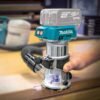
This router’s variable speed dial is truly versatile, allowing me to switch speeds on the fly between different materials like MDF, hardwood, and acrylic sheets. The electronic speed control ensures that the RPM stays consistent regardless of pressure applied, which is a huge plus for detailed edge work or template routing.
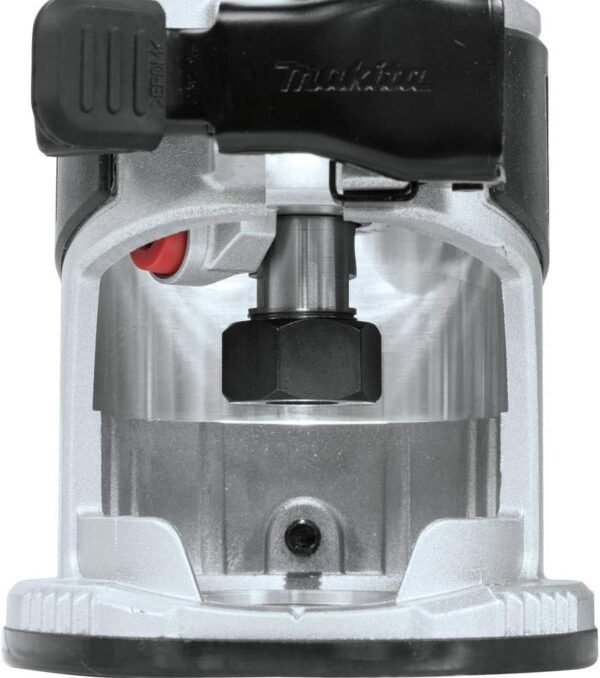
The on/off button with lock is a thoughtful safety feature, albeit a bit cumbersome in practical use. It definitely prevented accidental startups, which gave me peace of mind especially when kids were around the workshop. The tool also fits nicely with various router bits, and changing them is straightforward thanks to the well-designed collet system.
Positive Features That Make This a Reliable Tool
- The brushless motor offers longer tool life and better energy efficiency.
- Variable speed control from 10,000 to 30,000 RPM adapts perfectly to different materials.
- Electronic speed control maintains steady RPM under load for precision cuts.
- Safety is enhanced with a lock button to prevent accidental startup.
- Compact design allows for easy maneuverability in tight spaces.
Areas for Improvement to Keep in Mind
- Battery life dips quickly during heavy use, which can interrupt work flow.
- The weight distribution feels front-heavy and can cause hand fatigue.
- The lock button, while safe, can slow down operation in fast-paced scenarios.
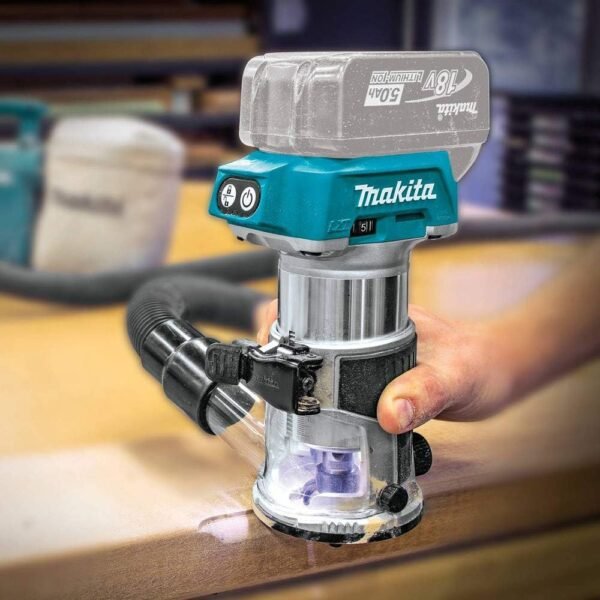
- Lacks a dust collection system, which some competitors include for cleaner workspaces.
Testing this cordless compact router gave me firsthand insight into its strengths and weaknesses. It’s a powerful, adaptable tool that caters well to both hobbyists and professionals needing precision and portability. At the same time, certain ergonomic and battery limitations suggest it’s not perfect for every user or project type. Balancing these factors will help you decide if this is the right addition to your toolkit.
Related products

DEWALT DWP611 Router Review Powerful Fixed Base Tool for Precision Woodworking

Makita RF1101 Router Review Is It the Best for Precision Work

DEWALT DCW600B 20V MAX XR Compact Router review for professionals and DIY enthusiasts

Triton MOF001 Precision Plunge Router Review Powerful Performance for Woodworking Enthusiasts